Health sector — Sahiwal Division
Three districts — Sahiwal, Okara, and Pakpattan — facility overview, major DHQ hospitals, and Punjab health budget context.
Facilities (division total)
Beds~3,875Sahiwal Division has around 19 hospitals + 28 RHCs + 233 BHUs + 68 dispensaries + 19 MCH centres + other units, with overall ~3,875 beds across facilities (hospitals contribute 1,899 beds).
Figures from Punjab Development Statistics / Urban Unit reports (~2022–2024); minor variations possible by year.
This data is for the entire Sahiwal Division (3 districts).
Facility breakdown by type and district
| Facility type | Division total | Sahiwal | Okara | Pakpattan |
|---|---|---|---|---|
| Hospitals (No.) | 19 | 9 | 6 | 4 |
| Hospitals (Beds) | 1,899 | 1,135 | 549 | 215 |
| RHCs | 28 | 13 | 10 | 5 |
| BHUs | 233 | 81 | 97 | 55 |
| Dispensaries | 68 | 29 | 27 | 12 |
| MCH Centres | 19 | 6 | 11 | 2 |
| Sum of categories (listed) | 367 | — | ||
Note: Figures from Punjab Development Statistics / Urban Unit; minor variations possible by year. Sum of categories (listed) excludes hospital beds and totals facility counts only (19+28+233+68+19 = 367).
Facility Types — Division Counts
BHUs by District
Okara has the highest BHU count in the division.
Hospital Beds by District
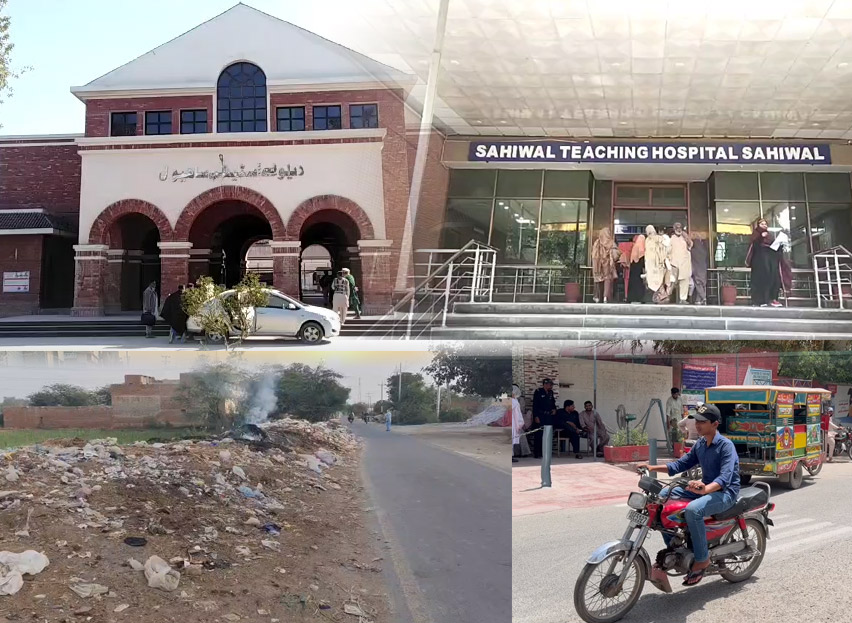
DHQ Sahiwal / Sahiwal Teaching Hospital
Major tertiary/teaching facility with ~1,327 beds (upgraded with 970 new beds in recent years; previously ~377). Serves a large catchment population with multiple specialties, high OPD/IPD load, and is attached to Sahiwal Medical College.
Significant specialist services, emergency, and diagnostic facilities; also linked to Sahiwal Institute of Cardiology for cardiac care.
Key role as the division’s primary referral and teaching hospital for complex cases from Okara, Pakpattan, and rural catchments.
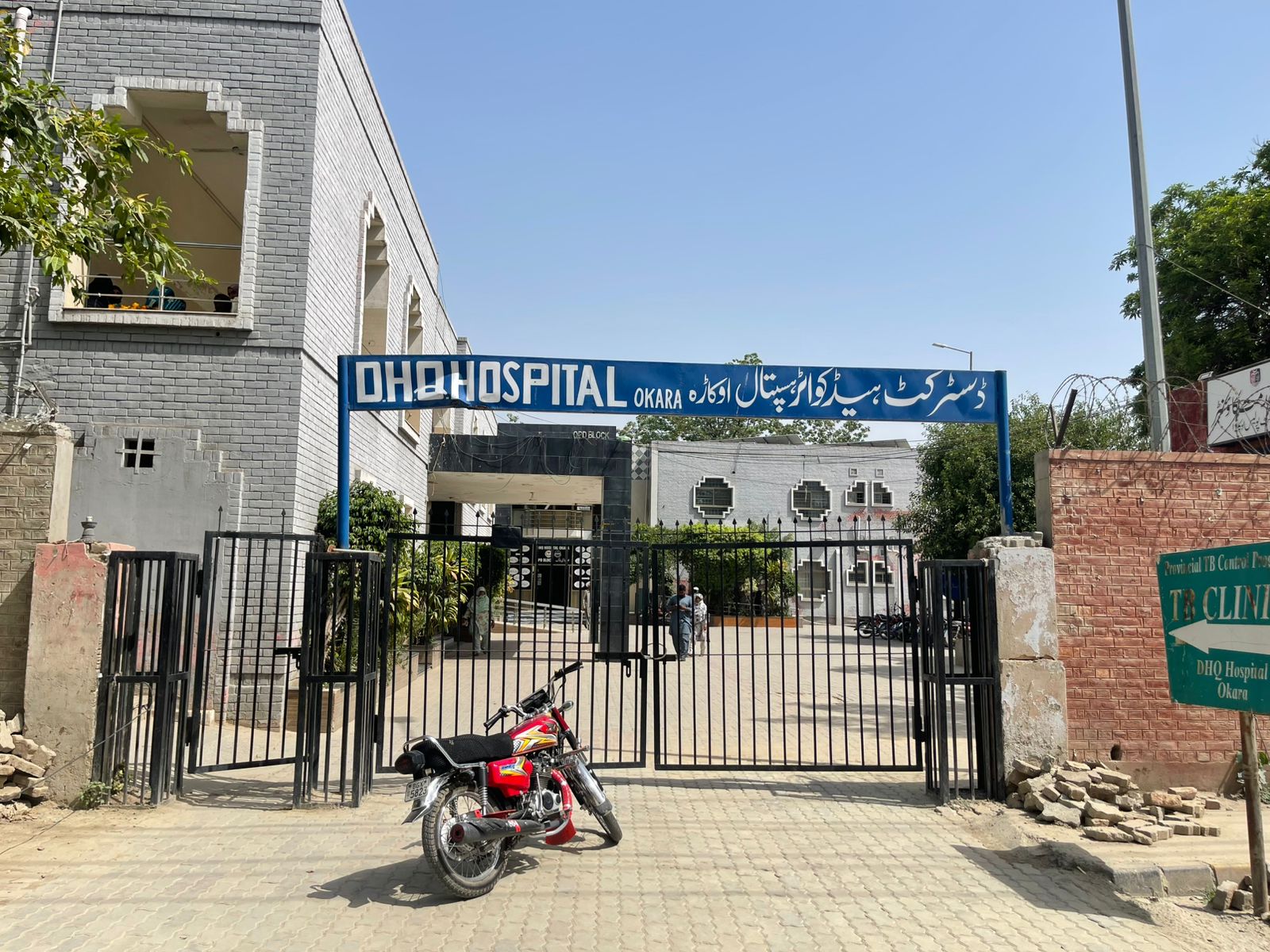
DHQ Hospital Okara (incl. South City)
Secondary care facility serving Okara district population. Bed strength ~125–280+ (reports vary by site: South City ~125–140 beds; overall capacity expanded).
Key services: Emergency (24/7, trauma), Medicine, Surgery, Gynae, Paediatrics, CCU, nursery, dialysis, diagnostics (lab, imaging).
Multiple departments (~11+); ongoing revamping/upgradation under provincial health programmes.
DHQ Hospital Pakpattan
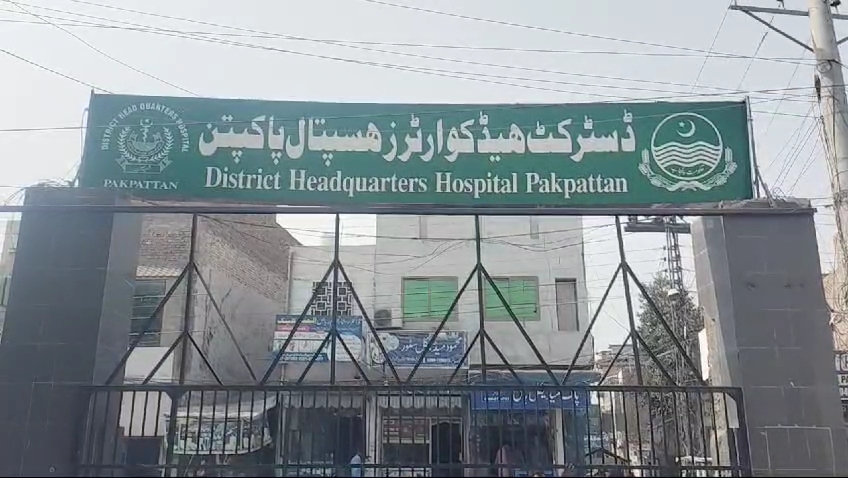
Main secondary care facility for Pakpattan district. Bed strength ~125. Established/upgraded in the 1980s–90s.
Wards: Medical, Surgical, Paediatrics, OB/GYN, Eye, ENT, Orthopedic, TB/Chest, Cardiology. Emergency, OPD clinics, basic diagnostics.
Staffing and equipment challenges noted in audits; part of revamping programmes with referrals to larger centres for complex cases.
Punjab health budget
Punjab health sector allocations (recent years) typically total hundreds of billions, with development ADP in the ~Rs. 180B+ range. District/division shares fund primary/secondary care, DHQ/THQ revamping, and specialized projects.
| Item | Amount (indicative) |
|---|---|
| Punjab health sector (total) | ~Rs. 630B |
| Development (ADP) | ~Rs. 180B+ |
| Primary / secondary care & DHQ revamping | Provincial envelope |
Sahiwal Division receives allocation within provincial envelopes for facility upgrades, staff, and infrastructure (exact division split varies annually).
Health sector — Sahiwal Division Infrastructure Gaps
Facilities (division total) — gaps
Sahiwal Division has 19 hospitals (1,899 beds), 28 RHCs, 233 BHUs, 68 dispensaries, and 19 MCH centres, but rural areas suffer from inadequate coverage and functionality, leading to high patient loads on urban facilities.
Rural health infrastructure gaps persist with many unserved populations (e.g., ~81,320 people without proper RHC access across districts) and frequent issues like medicine shortages and damaged facilities at BHUs.
Facility breakdown by type and district
| Facility type | Division total | Sahiwal | Okara | Pakpattan |
|---|---|---|---|---|
| Hospitals (No.) | 19 | 9 | 6 | 4 |
| Hospitals (Beds) | 1,899 | 1,135 | 549 | 215 |
| RHCs | 28 | 13 | 10 | 5 |
| BHUs | 233 | 81 | 97 | 55 |
| Dispensaries | 68 | 29 | 27 | 12 |
| MCH Centres | 19 | 6 | 11 | 2 |
| Sum of categories (listed) | 367 | — | ||
Rural health infrastructure gaps persist with many unserved populations (e.g., ~81,320 people without proper RHC access across districts) and frequent issues like medicine shortages and damaged facilities at BHUs.
Rural access gaps by district
| Gap area | Sahiwal district | Okara | Pakpattan |
|---|---|---|---|
| Primary care access | BHU functionality & staffing uneven | High BHU count but rural coverage gaps | Fewest MCH centres (2); rural strain |
| RHC coverage | 13 RHCs — access gaps in tehsils | 10 RHCs — overload on DHQ | 5 RHCs — lowest in division |
| Referral pressure | Urban DHQs absorb referrals from under-served rural BHUs/RHCs | ||
DHQ Sahiwal / Sahiwal Teaching Hospital — gaps
Major gaps include up to 41% vacant posts (especially specialists), funding shortages, high bed occupancy/overload, and medicine stockouts despite upgrades to ~1,000+ beds.
DHQ Hospital Okara — gaps
Secondary care gaps feature high patient loads, medicine storage/inventory issues, staffing shortages, and limited specialized services for a large district population.
DHQ Hospital Pakpattan — gaps
Limited capacity (~125–215 beds), infrastructure maintenance issues, staffing and equipment shortfalls, with reliance on referrals to larger centres.
Punjab health budget — funding gaps
Sahiwal Division receives a modest share from provincial allocations (Punjab health ~Rs. 630B total, development ~Rs. 180B+), but faces chronic underfunding for staff hiring, medicine supply, and rural facility upgrades compared to larger divisions.
Key overall gaps
- Specialist/Staff Shortages: High vacancy rates (e.g., 41% at Sahiwal Teaching Hospital) and uneven distribution, especially in rural BHUs/RHCs.
- Medicine & Supplies: Frequent stockouts and poor inventory at primary/secondary facilities.
- Rural Access: Inadequate primary healthcare infrastructure leading to overload on DHQs and poor outcomes in remote areas.
- Beds & Capacity: Low beds-per-1,000 ratio with high occupancy and limited ICU/specialized units.
- Quality & Maintenance: Damaged infrastructure, equipment shortages, and quality issues at many BHUs/RHCs.
Data compiled from Punjab Health Statistics, Urban Unit Sahiwal Regional Plan, and government reports (~2022–2024).