Total population
3,515,490
Predominantly agricultural, Okara produces wheat, rice, sugarcane, maize, potato, and cotton, with a strong livestock and dairy sector anchoring the rural economy. The district headquarters at Okara City serves three tehsils across fertile plains between the Ravi and Sutlej. Persistent challenges include weak infrastructure, strained health and education services, and high youth NEET (not in education, employment, or training) rates. This page summarises district statistics, services, elected representation, and priority development challenges.
3,515,490
4,623 km²
3 tehsils · 140 union councils · 1,316 villages
| Indicator | Value |
|---|---|
| Total population | 3,515,490 |
| Tehsils | 3 |
| Union councils | 140 |
| Villages | 1,316 |
| Total area | 4,623 km² |
| Type | Count |
|---|---|
| Schools | 1,600 |
| Colleges (total) | 35 |
| — Boys colleges | 8 |
| — Girls colleges | 4 |
| — Commerce colleges | 3 |
| Facility type | Count |
|---|---|
| DHQ hospitals | 2 |
| THQ hospitals | 2 |
| Rural health centres (RHC) | 7 |
| Basic health units (BHU) | 14 |
| Rural dispensaries (RD) | 9 |
| MCH centres | 7 |
| Total facilities | 40 |
| Measure | Count |
|---|---|
| Total police stations | 18 |
| Circle / area | Notes |
|---|---|
| Okara City circle | District headquarters and urban policing |
| Depalpur circle | Western tehsil coverage |
| Renala Khurd circle | Eastern tehsil coverage |
| Tehsil | Courts |
|---|---|
| Depalpur | 7 |
| Renala Khurd | 3 |
| Okara | 14 |
| Total civil courts (~20–30) | 24 |
Based on listed MNAs and MPAs (NA-135–138, PP-185–192). NA: PML-N 3, IND 1; PP: PML-N 8.
Share of youth not in education, employment, or training. Roads, water, health, and environment are described in priority issues below.
| Member | Constituency | Name (Party) |
|---|---|---|
|
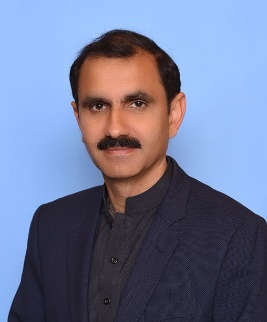
NA-135 Okara-I | MNA Nadeem Abbas (PML-N) |
|
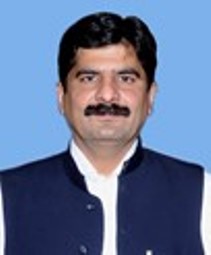
NA-136 Okara-II | MNA Riaz Ul Haq (PML-N) |
|
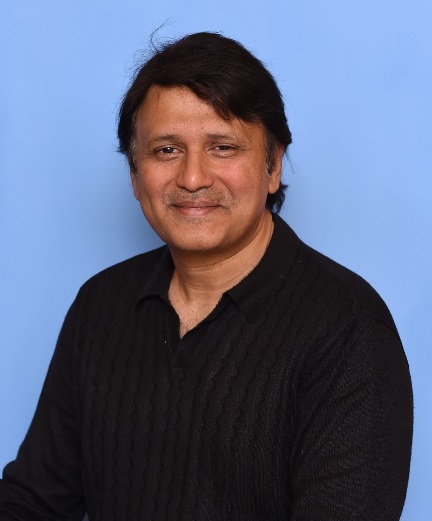
NA-137 Okara-III | MNA Syed Raza Ali Gillani (Independent) |
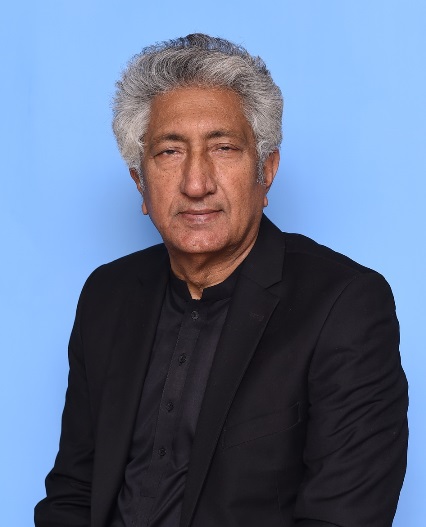
|
NA-138 Okara-IV | MNA Muhammad Mueen Wattoo (PML-N) |
| Member | Constituency | Name (Party) |
|---|---|---|
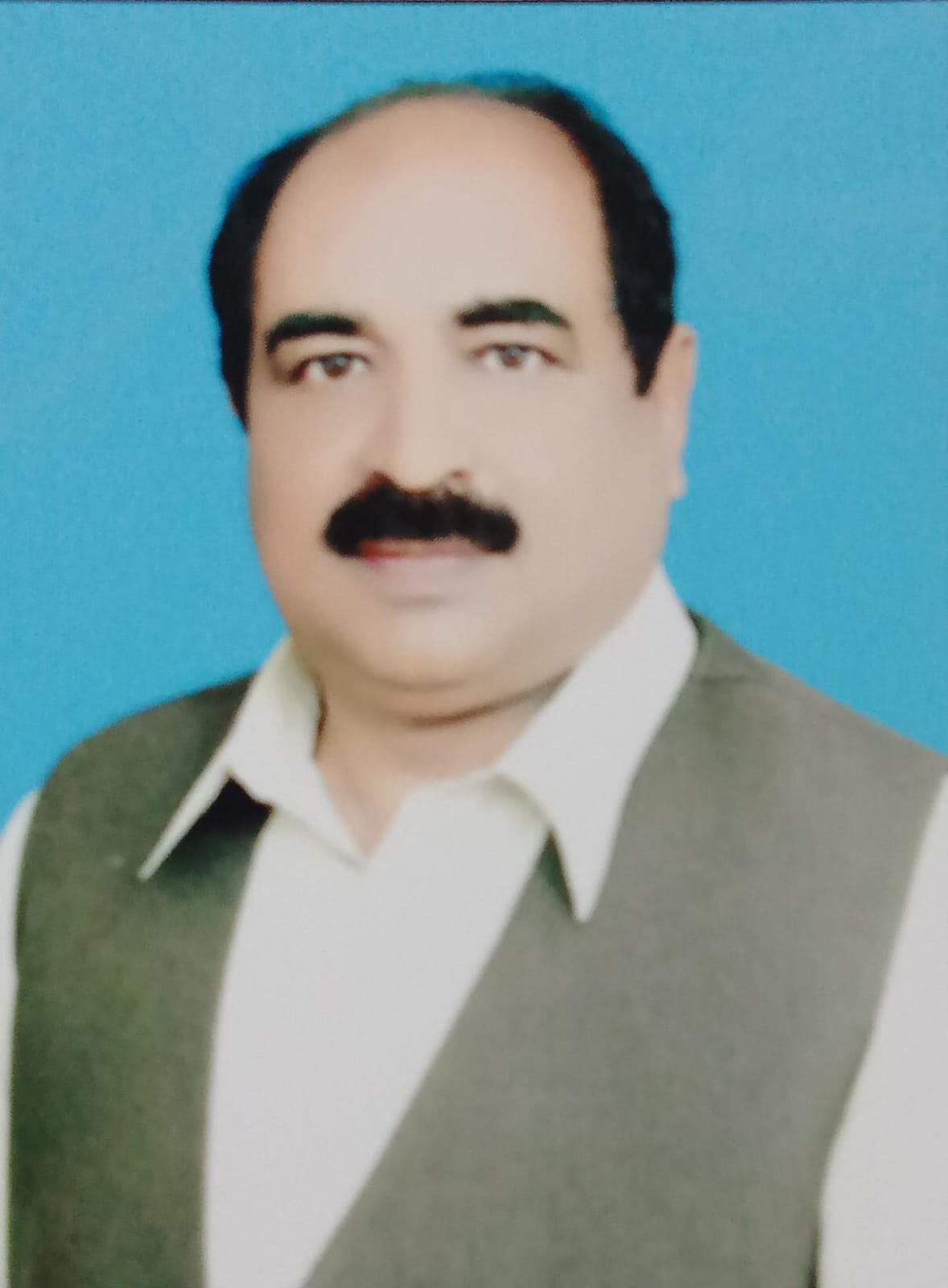
|
PP-185 Okara-I | MPA Javed Allo Ud Din Sajid (PML-N) |
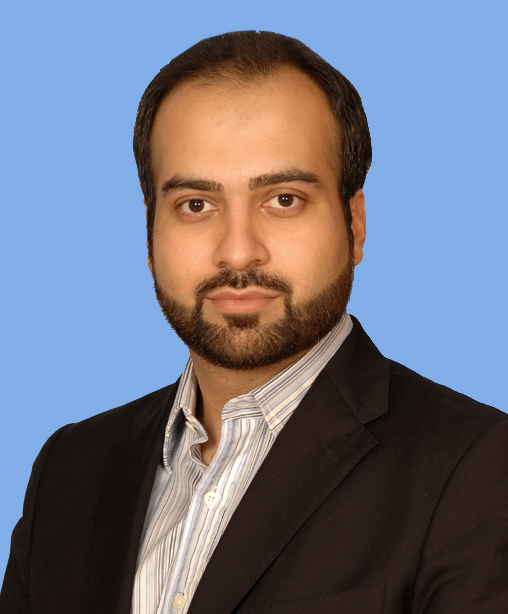
|
PP-186 Okara-II | MPA Sayed Muhammad Ashiq Hussain Shah (PML-N) |
|
PP-187 Okara-III | MPA Chaudhry Iftikhar Hussain Chhachhar (PML-N) |
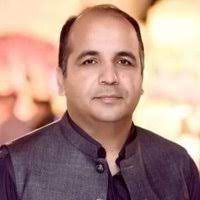
|
PP-188 Okara-IV | MPA Noor ul Amin Wattoo (PML-N) |
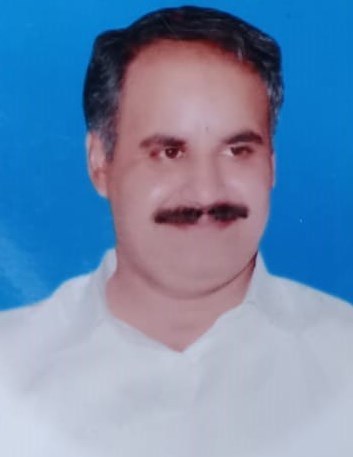
|
PP-189 Okara-V | MPA Ali Abbas (PML-N) |
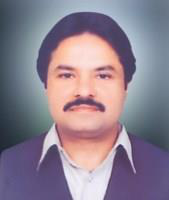
|
PP-190 Okara-VI | MPA Mian Yawar Zaman (PML-N) |
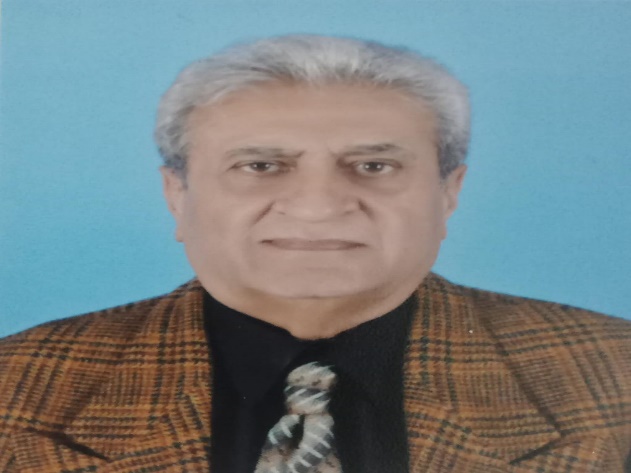
|
PP-191 Okara-VII | MPA Mian Muhammad Munir (PML-N) |
|
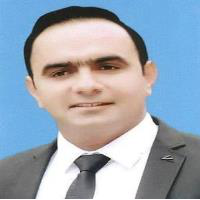
PP-192 Okara-VIII | MPA Ghulam Raza (PML-N) |
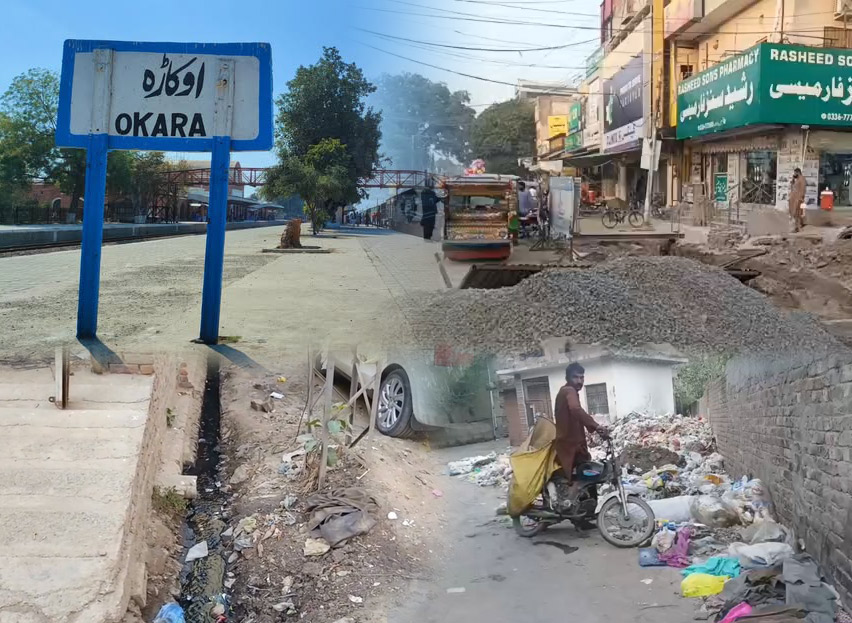
Okara’s road network spans 7,973 km, but key links — including the Okara–Depalpur corridor and district bypass — remain in poor condition, slowing freight, dairy supply chains, and daily travel.
Drinking water faces contamination from bacteria, arsenic, and fluoride, exposing rural and peri-urban communities to long-term health risks.
Only 500–600 beds serve a population of 3.5 million, leaving DHQ hospitals overcrowded and rural BHUs under-equipped for routine and emergency care.
Limited non-farm jobs drive high youth disengagement: NEET rates reach 67.73% in urban areas and 62.35% in rural areas, reflecting weak skills pathways and local industry.
Sewerage overflow and use of untreated wastewater for irrigation pollute canals and fields, undermining public health and crop safety across the district.