Total population
1,824,000
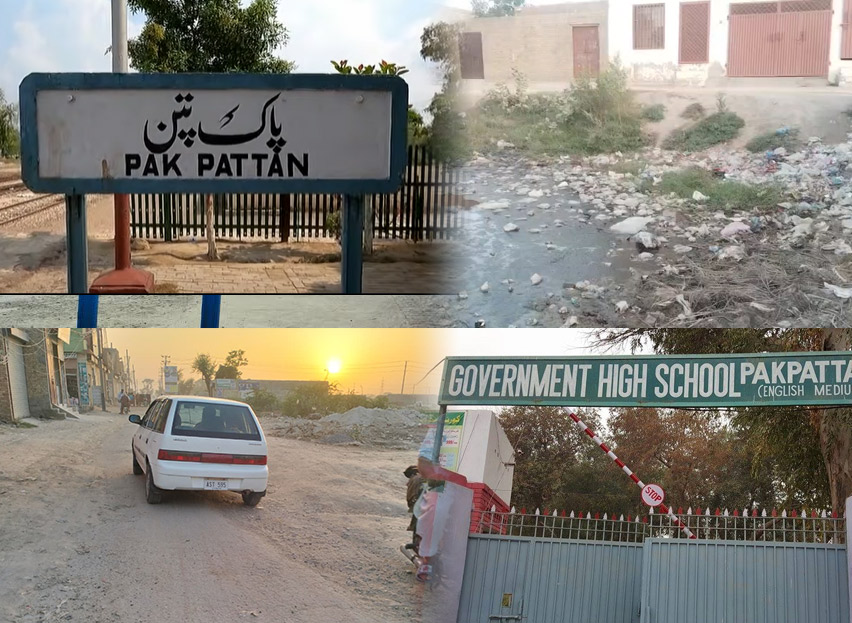
In southern Punjab, Pakpattan is a largely agrarian district and a historic Sufi centre, anchored by the shrine of Baba Farid at Pakpattan Sharif. Despite fertile plains and livestock trade, the district faces persistent gaps in infrastructure, human development, and public services for its growing rural majority. This page summarises district statistics, services, elected representation, and priority development challenges.
1,824,000
2,728 km?
2 tehsils ? 54 union councils ? 573 villages
| Indicator | Value |
|---|---|
| Total population | 1,824,000 |
| Tehsils | 2 |
| Union councils | 54 |
| Villages | 573 |
| Total area | 2,728 km? |
| Schools | 857 |
| Colleges | 6 |
| Health facilities (total) | 74 |
| Police stations | 12 |
| Civil courts | No clear publicly reported fixed number |
| Type | Count |
|---|---|
| Schools | 857 |
| Colleges | 6 |
| Facility type | Count |
|---|---|
| DHQ hospital | 01 |
| THQ hospitals | 02 |
| Other health facilities | 71 |
| Total health facilities | 74 |
| Measure | Count |
|---|---|
| Total police stations | 12 |
| Measure | Status |
|---|---|
| District civil courts (reported total) | No clear publicly reported fixed number |
Based on listed MNAs and MPAs (NA-139?140, PP-193?197).
Literacy, poverty (mid-range estimate), unemployment, unfit drinking water, out-of-school children, and vacant doctor posts. Roads and governance are described in the narrative.
| Member | Constituency | Name (Party) |
|---|---|---|
|
NA-139 Pakpattan-I | MNA Ahmed Raza Maneka (PML-N) |

|
NA-140 Pakpattan-II | MNA Rana Iradat Sharif Khan (PML-N) |
| Member | Constituency | Name (Party) |
|---|---|---|
|
PP-193 Pakpattan-I | MPA Farooq Ahmed Khan Maneka (PML-N) |
|
PP-194 Pakpattan-II | MPA Ch. Javed Ahmed Advocate (PML-N) |
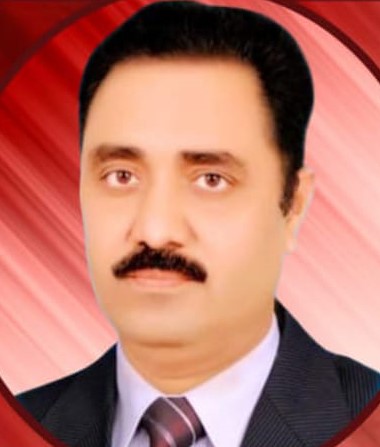
|
PP-195 Pakpattan-III | MPA Imran Akram Jutt (Independent) |
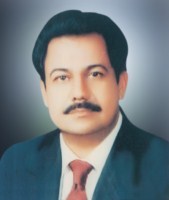
|
PP-196 Pakpattan-IV | MPA Dr. Farrukh Javed (Independent) |
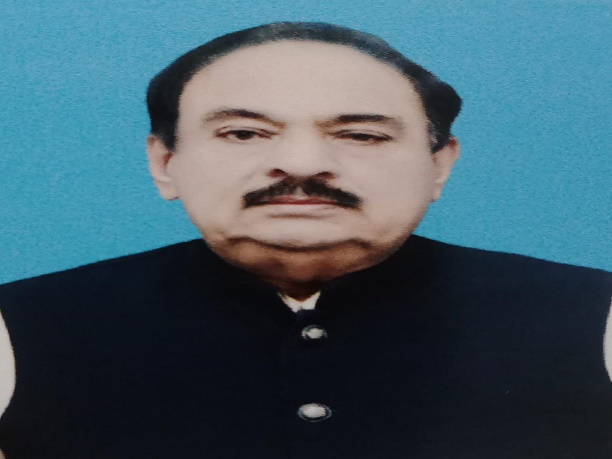
|
PP-197 Pakpattan-V | MPA Sardar Mansab Ali Dogar (PML-N) |
Pakpattan's road network spans about 1,467 km, but rural links remain poor and unevenly maintained, slowing farm-to-market movement and access to tehsil headquarters and the DHQ at Pakpattan Sharif.
Only about 28% of drinking-water samples are reported fit for use; roughly 59.5% fail quality standards. Sewage remains largely untreated, with 100% of wastewater discharged without treatment and no wastewater treatment plant (WWTP) serving the district.
The district's 74 health facilities include one DHQ with about 200 beds, yet the doctor-to-population ratio is roughly 1:1,400 and about 57% of sanctioned medical posts lie vacant. On education, district literacy is about 49%, with an estimated 31,859 children out of school.
Agriculture and informal services dominate the economy. Unemployment is estimated at 5-6%, while poverty affects roughly 25-30% of households, limiting savings and resilience to crop or price shocks.
Law-and-order reporting remains heavy, with about 9,553 FIRs registered annually across the district?s 12 police stations, reflecting pressure on courts, prosecution, and community dispute resolution.
The Sutlej brings seasonal flooding risk to riverine settlements and cropland. Urban air quality is a growing concern, with average PM2.5 levels around 33 g/m, above WHO guidelines.