Total population
2,881,811 2023 Census · +2.3% p.a. (2017–2023)
Sahiwal District is a highly fertile, historic district in Punjab, roughly 180 km from Lahore on the N-5 corridor, situated between the Ravi and Sutlej rivers. A major agricultural hub, it is home to the ancient Harappa archaeological site and the 1,320 MW coal power plant. This page summarises district statistics, services, elected representation, and priority development challenges.
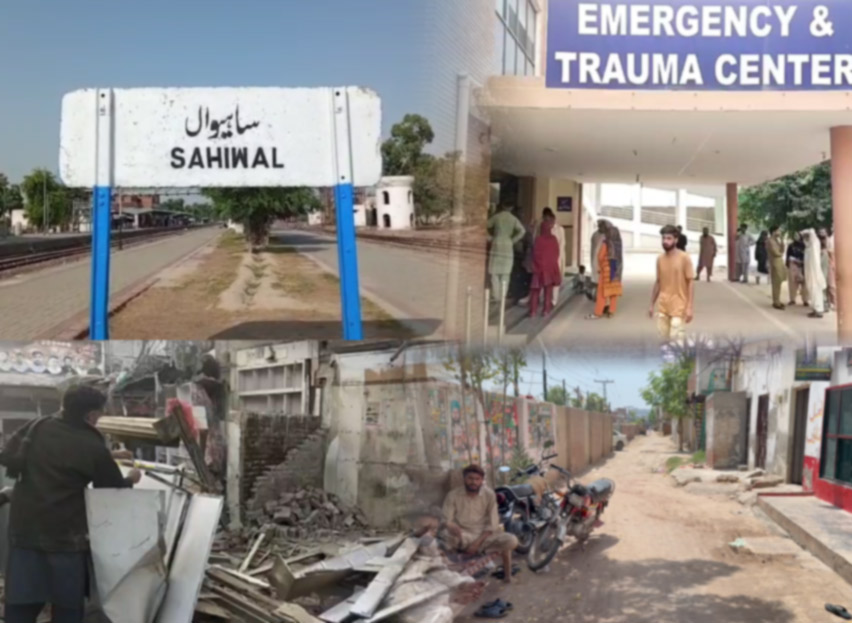
2,881,811 2023 Census · +2.3% p.a. (2017–2023)
3,201 km²
2 tehsils · 89 union councils · 510 villages
| Indicator | Value |
|---|---|
| Total population (2023 Census) | 2,881,811 |
| Annual population change (2017–2023) | 2.3% |
| Tehsils | 02 |
| Union councils | 89 |
| Villages | 510 |
| Total area | 3,201 km² |
| Type | Count |
|---|---|
| Schools | 07 |
| Colleges | 03 |
| Facility type | Count |
|---|---|
| DHQ hospital | 01 |
| THQ hospital | 01 |
| RHC | 10 |
| BHU | 75 |
| Sahiwal Medical College (SLMC) | 01 |
| Facility type | Count |
|---|---|
| DHQ | 01 |
| THQ | 01 |
| RHC | 10 |
| BHU | 75 |
| Total (DHQ–BHU) | 87 |
| Circle | Stations |
|---|---|
| Saddar | 06 |
| City | 05 |
| Chichawatni | 06 |
| Total | 17 |
| Measure | Notes |
|---|---|
| Civil courts (by tehsil) | Not specified in available district source data. |
Based on listed MNAs and MPAs (NA-141–143, PP-198–204).
Unemployment, out-of-school children, and net enrolment are shown as percentages; infant mortality is per 1,000 live births. Further detail is in the priority sections below.
| Member | Constituency | Name (Party) |
|---|---|---|
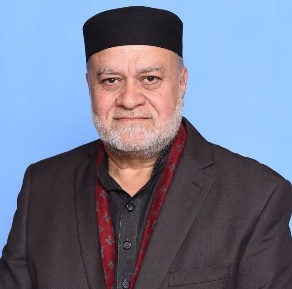
|
NA-141 Sahiwal-I | Syed Imran Ahmed Shah (PML-N) |
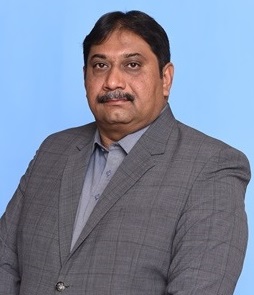
|
NA-142 Sahiwal-II | Chaudhary Usman Ali (Independent) |
|
NA-143 Sahiwal-III | Rai Hassan Nawaz Khan (Independent) |
| Member | Constituency | Name (Party) |
|---|---|---|
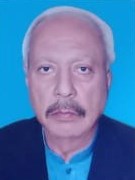
|
PP-198 Sahiwal-I | Walayat Shah (PML-N) |
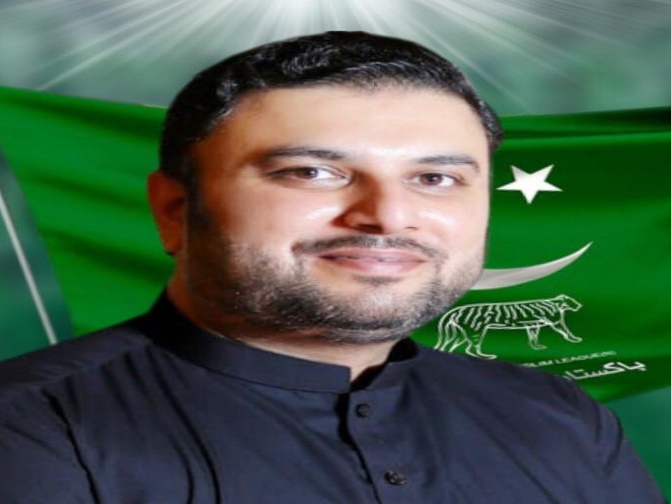
|
PP-199 Sahiwal-II | Qasim Nadeem (PML-N) |
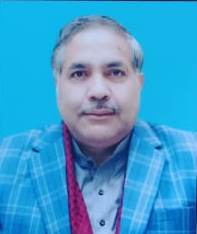
|
PP-200 Sahiwal-III | Mohammad Arshad Malik (PML-N) |
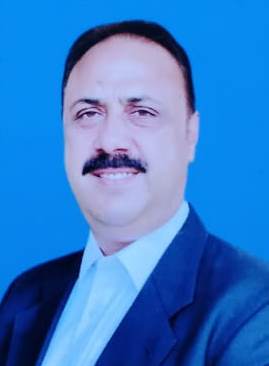
|
PP-201 Sahiwal-IV | Naveed Aslam Khan Lodhi (PML-N) |
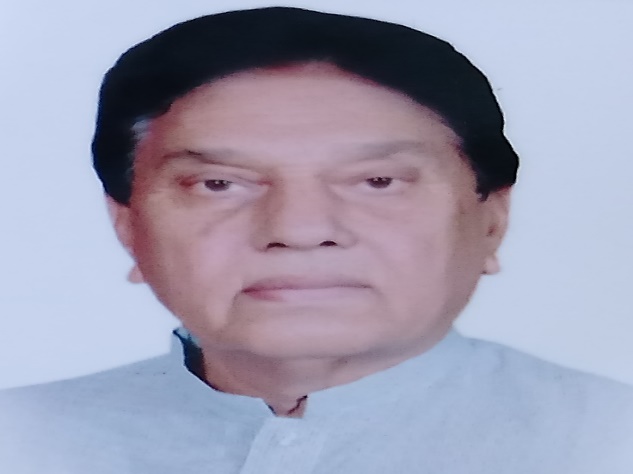
|
PP-202 Sahiwal-V | Rana Riaz Ahmad (PML-N) |
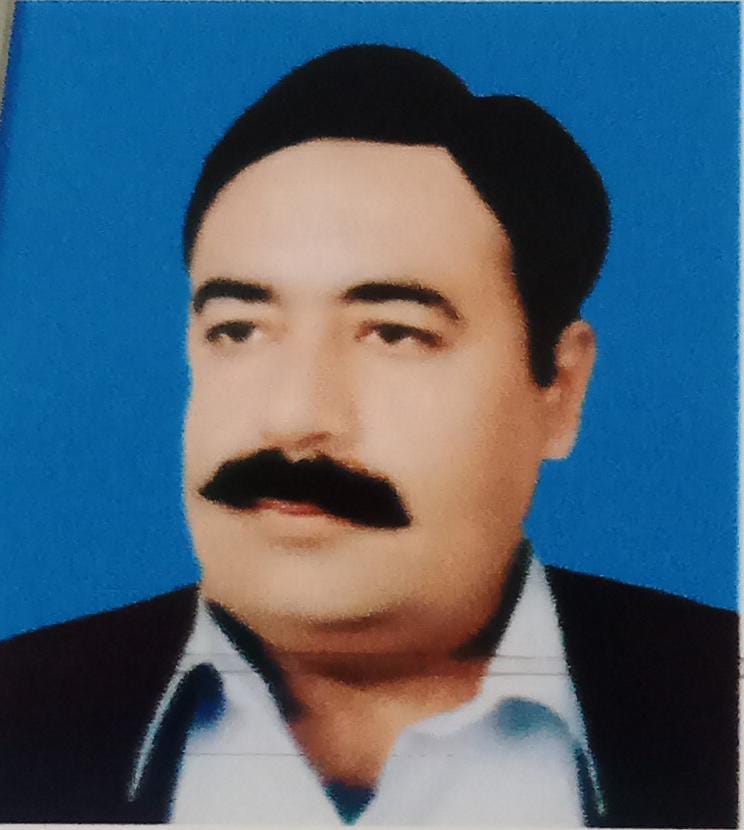
|
PP-203 Sahiwal-VI | Muhammad Hanif (PML-N) |
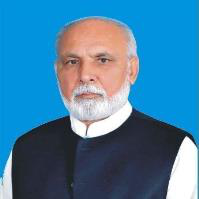
|
PP-204 Sahiwal-VII | Muhammad Ghulam Sarwar (Independent) |
Hospital bed availability is critically low at about 0.57 beds per 1,000 population, with widespread workforce shortages across DHQ, THQ, RHC, and BHU facilities. Infant mortality remains high at 62 per 1,000 live births, signalling gaps in maternal and neonatal care despite Sahiwal Medical College (SLMC).
About 28% of school-age children are out of school, while net enrolment stands at only 36%. A severe primary-to-middle transition imbalance leaves many learners without pathways beyond basic schooling.
The unemployment rate is 7.4%, with limited technology and corporate-sector jobs beyond agriculture, power generation, and small industry—pushing skilled youth toward larger cities.
Groundwater arsenic levels reach about 228.9 ppb in affected areas—far above safe limits. Roughly 65% of drainage infrastructure is aging, and untreated sewage continues to contaminate local water bodies.
Crop-residue burning degrades air quality across the district. Textile and dairy effluent discharge into canals threatens irrigation water and public health along the Ravi–Sutlej belt.
About 47% of farm-to-market routes are degraded, raising transport costs for cotton, wheat, and dairy produce and slowing access to markets and emergency services in rural tehsils.